
Cameras
Digital cameras capture images without rolls of film.
Digital photography has changed how we take pictures.Wafa English Studio
Learn English with confidenceExplore inventions and describe actions that began in the past and continue today.
Everyday devices have changed over time. Notice how inventions have become smaller, faster, and more widely used.
Digital cameras capture images without rolls of film.
Digital photography has changed how we take pictures.
Early computers were huge and took up a lot of space.
Computers have become smaller and more portable.
Television has become a common household device.
TV images were first broadcast many decades ago.
A machine used to print many copies of a text.
Books are produced on printing presses.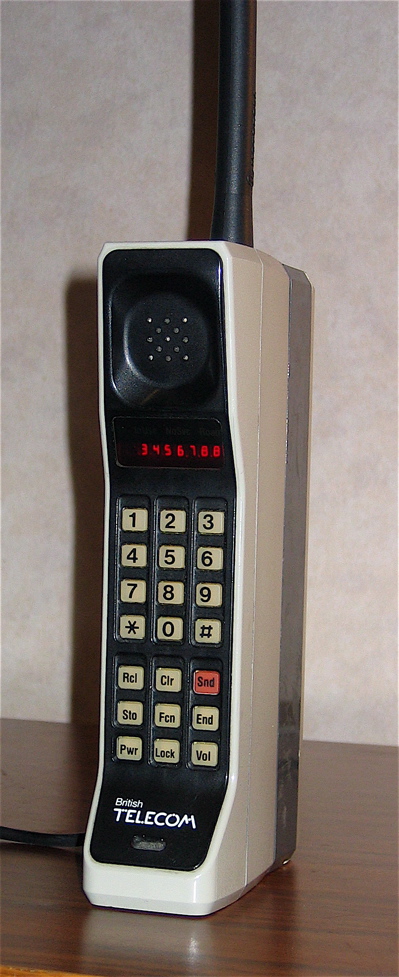
Early mobile phones were clumsy, heavy, and expensive.
Phones have become lighter and more portable.Use these words to explain what a device does and how technology changes.
invent: create something new. Capture: record an image. Produce: make something. Recharge: put power back into a battery.
The camera captured a digital image.An invention is something newly created. A device has a purpose; a feature is one of its characteristics. An image is a picture, and resolution describes its detail.
This portable device produces high-resolution images.Digital, high-tech, huge, clumsy, portable, and widespread describe technology and how commonly it is used.
The first model was huge; today's version is portable.Be around: exist for a period of time. By accident: unintentionally. Hit the market: become available to buy.
The new device hit the market last year.Take up space means to occupy an area. Take over means to become more important or common. Appear means to become visible or start to exist.
Early computers took up an entire room.Choose the tense according to whether the exact finished time matters.
Use have / has + past participle for an experience or change when the exact time is not stated or important.
Digital cameras have changed photography.Use the past form when you say when a completed event happened.
The first digital camera appeared in 1975.Use the present perfect with just, already, or yet to connect a recent action to now.
The company has just released a new model.Use the present perfect for an action or state that started in the past and continues now.
Use for to say how long the period is.
People have used televisions for many decades.Use since to name when the period began.
Portable phones have been available since the 1970s.Subject + have / has + past participle + for / since
She has had her laptop for three years.Ask about the duration of an action or state that continues into the present.
How long + have / has + subject + past participle?
How long have you had your phone? I've had it for two years.Answer with for and a period of time.
How long have you used this computer? For six months.Answer with since and the time it began.
Since when has this printer been here? Since Monday.Use the passive when the action or result is more important than who performs it.
am / is / are + past participle
People use the Internet. → The Internet is used by millions of people.was / were + past participle
Alexander Graham Bell invented the telephone. → The telephone was invented by Alexander Graham Bell.have / has been + past participle
Technology has changed our lives. → Our lives have been changed by technology.Move the active sentence's object to the subject position. Keep the original tense with the correct form of be, then add the past participle. Use by + agent when you need to say who did the action. Leave the agent out when it is unknown or unimportant.
A thief stole my bike. → My bike was stolen. The agent is not important here.Talk about experiences, inventions, and how long you have used something.
Start a conversation with an old friend.
Long time no see! What have you been up to?Use a how long question to keep the conversation going.
How long have you had your new phone?Use a short answer, then add a detail.
I've had it since June. It's much lighter than my old one.Congratulate someone on a new success or invention.
Congratulations! Your new design has just hit the market.In informal speech, have can contract after a question word: How've, Where've, and What've.
How've you been? What've you done?Read how film technology has developed, then check the key details.
People have enjoyed moving pictures for more than a century. In the late nineteenth century, audiences watched short films for the first time. Early filmmakers soon discovered that stopping a camera during a scene could create a surprising visual change. Since then, new techniques have been used to create special effects. Small models were used in some classic films, and computer-generated images are used in many productions today. Film technology has changed greatly, but filmmakers have continued to look for new ways to surprise audiences.
Write a short report about an invention. Use the simple past for its history, the passive to describe it, and the present perfect for its impact.
[Invention] was invented by [person] in [year]. It is used to [purpose]. Since then, it has [change].
Choose True or False, or select the best answer.