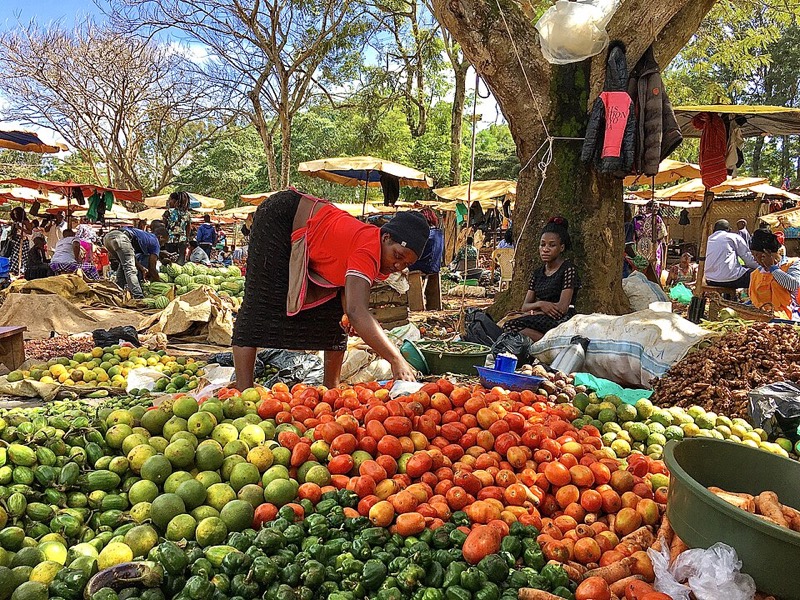
Vegetables
Carrots, onions, peppers, potatoes, and beans.
We need a few onions.Wafa English Studio
Learn English with confidenceTalk about groceries, quantities, prices, and the steps for making a dish.
Recognize common food groups and ingredients you might add to a shopping list.
Carrots, onions, peppers, potatoes, and beans.
We need a few onions.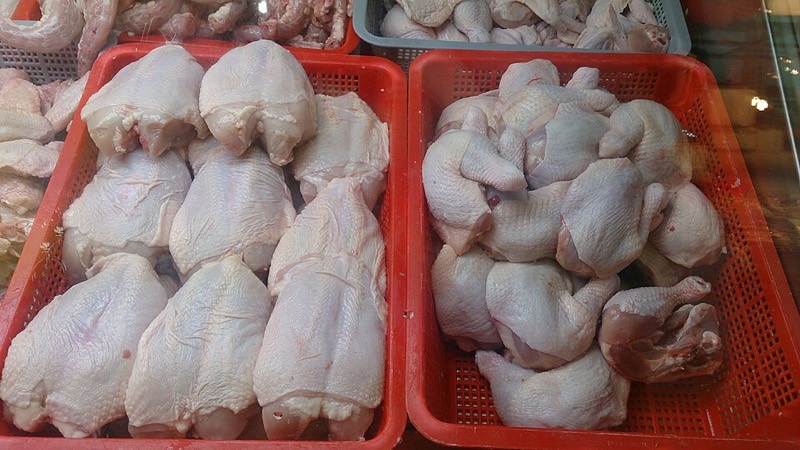
Beef, lamb, chicken, and sausage.
I’m buying a whole chicken.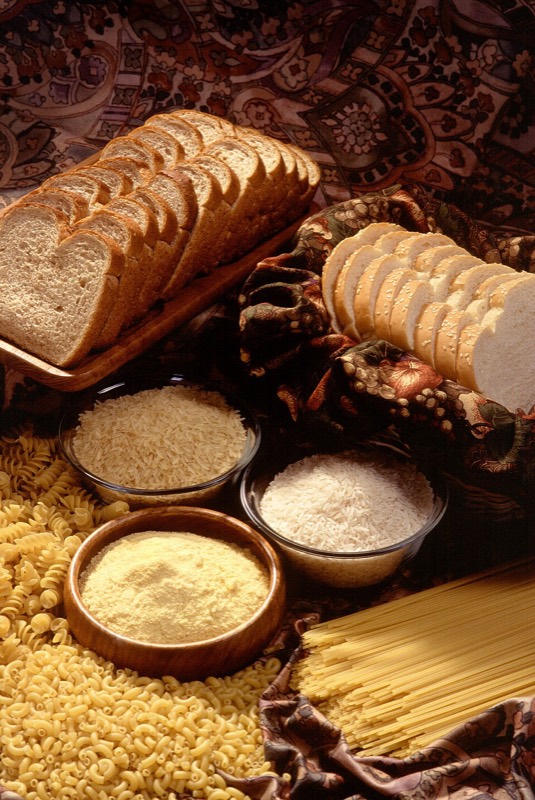
Bread, rice, and cereal.
How much rice do we need?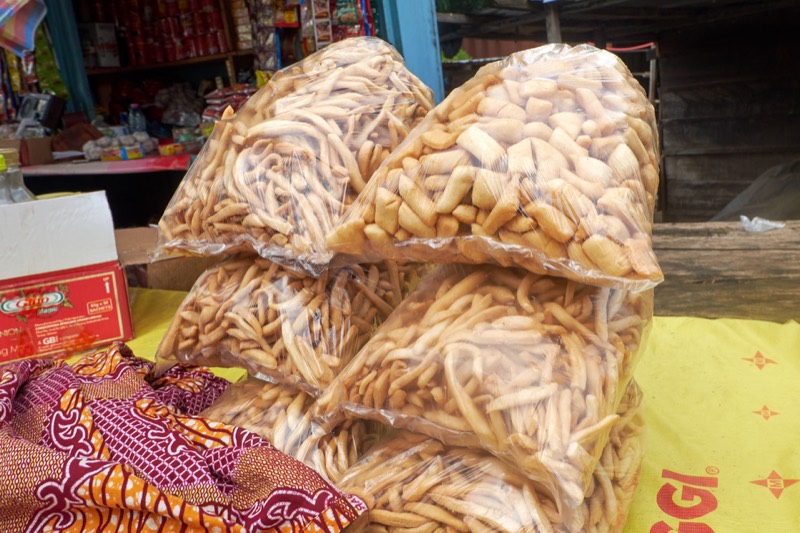
Flour and sugar are pantry ingredients.
There isn’t enough flour.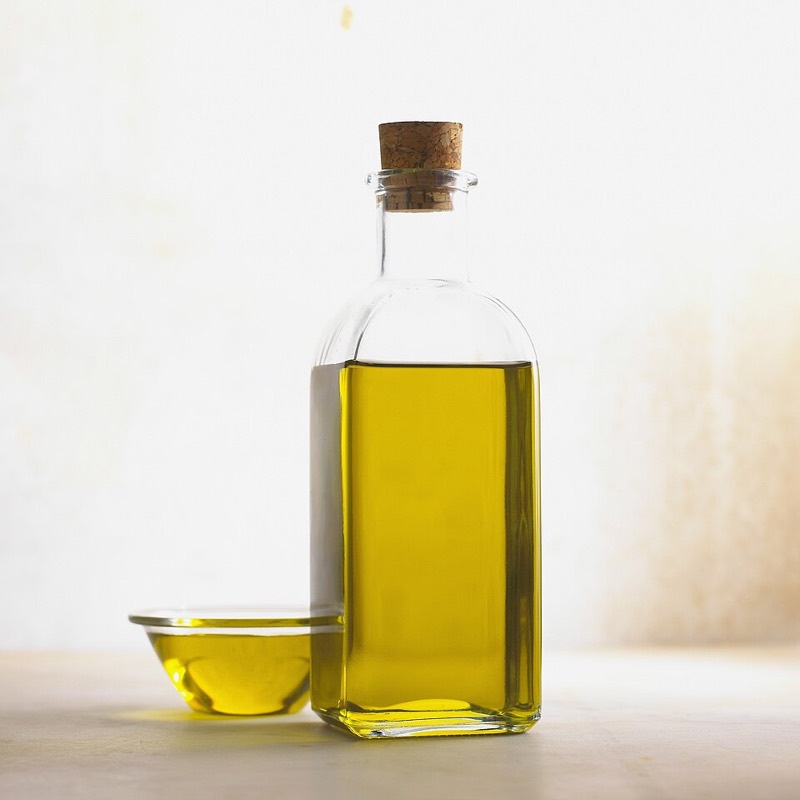
Corn oil, olive oil, salt, and pepper.
We have a little olive oil.
Tea and coffee.
How much coffee is left?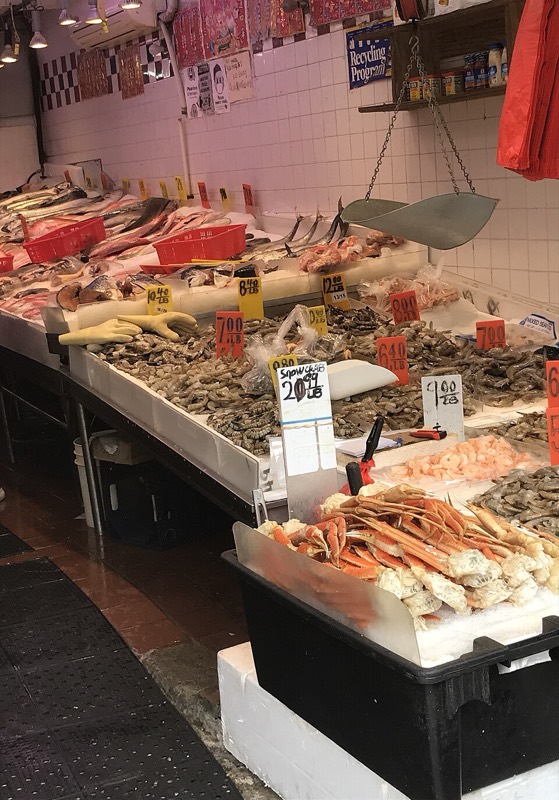
Salmon, shrimp, crab, and squid.
We bought a little seafood.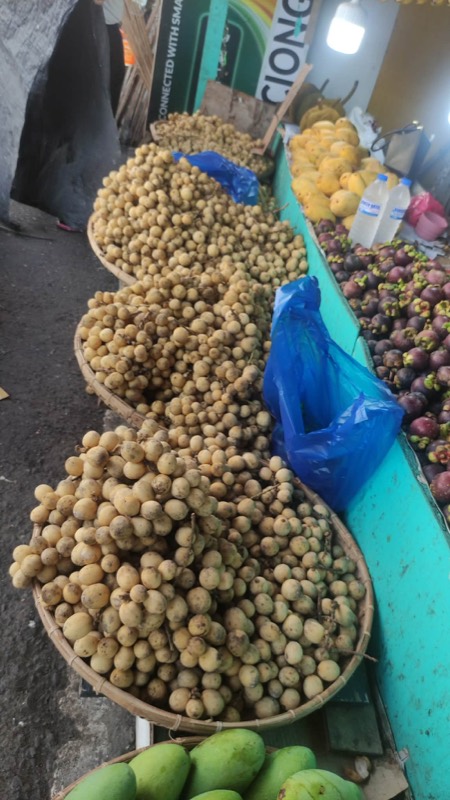
Mangoes, pineapples, and grapes.
We have enough fruit for dessert.Use these forms to ask questions, count items, and talk about amounts clearly.
Use with count nouns you can count individually.
How many eggs do we need? A dozen.Use with noncount nouns and when asking about a price.
How much rice do we need? How much is it?Use a measure or container with the item.
a kilo of grapes · a carton of milk · a package of flourAsk for the cost or understand a special offer.
How much are the oranges? They’re 8 riyals a kilo.For a small number of count nouns.
a few carrotsFor a small amount of a noncount noun.
a little milkMany goes with count nouns; much goes with noncount nouns.
many eggs · much breadBoth can be used with count and noncount nouns.
a lot of apples · enough riceHere are common phrases you can hear at a supermarket or local market. Learn the meaning and use the examples.
Meaning: ask if a shop has a product.
Do you have any fresh tomatoes?Meaning: ask the price of one item.
How much is it per kilo?Meaning: ask for a small amount.
Can I have a little olive oil?Meaning: say the quantity is sufficient.
That’s enough for the recipe.Read the short market story and focus on the new vocabulary in context.
We are shopping for dinner at the market. My mother needs a few tomatoes, a little salt, and some bread. She asks, “How much is the rice?” The seller says it is 10 riyals a kilo. We also buy a carton of milk and a bag of flour. Then we go home to cook a simple meal.
Use in an affirmative sentence for an unspecified thing.
I need something for dessert.Often use in questions and negative sentences.
We don’t have anything for breakfast.Means “not anything”; use it with an affirmative verb.
There is nothing in the fridge.Use sequence words to make instructions clear.
Start with the first action.
First, wash the vegetables.Say what happens next.
Then, cut them into small pieces.Add another step in the process.
After that, add a little olive oil.Introduce the last step.
Finally, serve the salad.Write to someone who is going shopping. Include ingredients and clear sequence words.
Use How much for uncountable nouns like rice and flour.
Use How many for count nouns like tomatoes and apples.
Use sequence words: first, then, after that, finally.
This lesson explains how we talk about the same person doing an action to themselves and how we connect a reason to its result.
Use myself, yourself, himself, herself, itself, ourselves, yourselves, themselves when the subject and object are the same.
I made this cake myself. She taught herself how to cook.Use because to give a reason for an action.
We stayed home because it was raining.Use so to show a result or consequence.
It was raining, so we stayed home.Choose True or False, or select the best answer.